Expert Tips to finding reliable suppliers in Poland
Finding the Optimal Engine for Sale: Advice for Choosing the Right New Unit
When looking for the best engine for sale, careful consideration is vital. Alignment with the vehicle is critical, considering displacement, power output, and fuel type. The decision between new and used options can greatly impact both budget and performance. Understanding multiple engine details can help narrow down choices. However, the undertaking doesn't stop there; evaluating warranty coverage and seller reliability is just as critical. What are the next steps in guaranteeing a prudent decision?
Evaluating Engine Compatibility: Important Factors to Take Into Account
When appraising engine compatibility, what important factors should be examined? First, one must consider the engine's specifications, including displacement, horsepower, and torque ratings, guaranteeing they align with the vehicle's requirements. Next, the engine's mounting points and transmission compatibility are critical; mismatches can lead to significant installation challenges. Additionally, the type of fuel the engine requires—gasoline, diesel, or alternative fuels—must be compatible with the vehicle's existing systems.
Another crucial aspect is the engine's emissions standards; it is imperative to choose an engine that complies with local regulations. Moreover, the year, make, and model of both the vehicle and engine should match to avoid compatibility issues. Finally, the state of the engine, including mileage and service history, should be evaluated to ensure reliability and performance longevity. These factors jointly assist in selecting an engine that will function seamlessly within the vehicle.
Learning About Engine Types: Determining What Fits Your Vehicle?
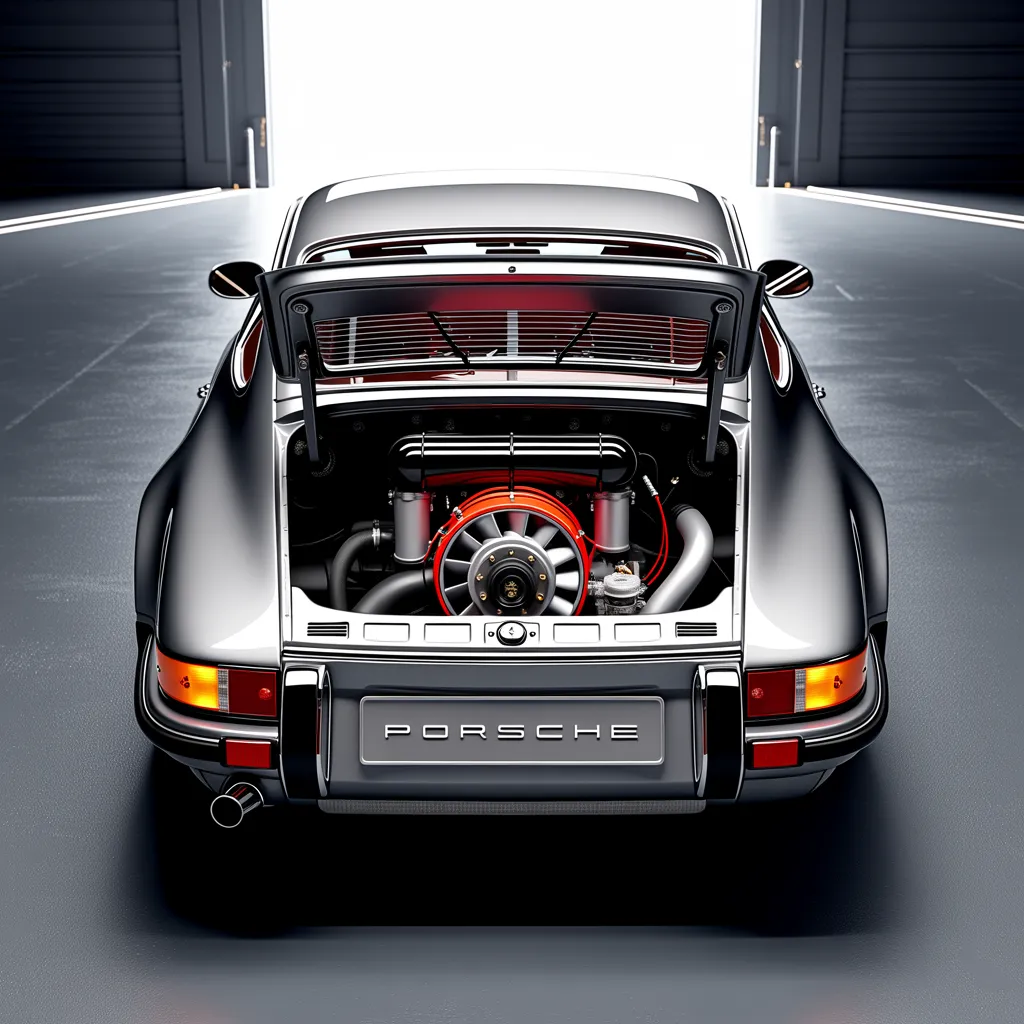
How does one determine which motor classification works optimally for their vehicle? useful information Comprehending the various engine types is vital for making an knowledgeable choice. The main categories consist of inline, V-type, and flat engines, each providing distinct benefits. Inline engines are often compact and fuel-efficient, making them ideal for smaller vehicles. V-type engines, recognized for their strength and rotational force, are commonly found in larger cars and trucks. Flat engines, while uncommon, provide a lower center of gravity, improving stability.
Additionally, motor displacement and format should be reviewed. A larger displacement typically yields more thrust but may lead to diminished fuel efficiency. Compatibility with the vehicle's transmission and overall framework is mandatory; mismatches can result in performance issues. Studying the manufacturer's standards can provide valuable insights into which engine will seamlessly integrate into the vehicle, ensuring peak performance and consistency.
New versus Used Engines: Which Option Is Preferable?
When assessing new versus used engines, cost plays a significant role in the purchasing decision. New engines typically come with guarantees that provide peace of mind, while used engines often don't have such coverage, leading to potential risks. Evaluating these factors is crucial for anyone looking to make an informed choice.
Cost Evaluation
Selecting between a new or used engine requires detailed assessment of the costs and benefits involved. A new engine generally comes with a higher price tag, reflecting its excellent condition and performance trustworthiness. Buyers frequently take into consideration the longevity and potential fuel efficiency of a new engine, which might make reasonable the initial investment. In contrast, used engines offer a more budget-friendly alternative, often found at substantially reduced prices. However, they may pose risks like unknown wear and tear or previous damage. The overall cost-effectiveness of a used engine can be appealing, especially for older vehicles. Ultimately, the decision can depend on the buyer's financial situation, vehicle age, and long-term plans, balancing immediate costs against potential future expenses.
Variations in Warranty
The differences between new and used engine warranties can significantly impact a purchaser's choice. New engines usually arrive with extensive warranties, often ranging from three to five years, covering parts and labor for any manufacturing defects. This guarantee provides peace of mind for buyers, particularly those who prioritize dependability. In contrast, used engines may offer little to no warranty, depending on the seller. While some reputable dealers offer brief guarantees, the coverage is typically less comprehensive. Purchasers must balance the cost savings of a used engine versus possible repair expenses. Ultimately, the decision between new and used copyrights not only on budget but also on the purchaser's tolerance for risk and desire for long-term dependability.
How to Analyze Engine Performance Specifications?
One may wonder how to accurately measure engine performance specifications. Primarily, it is crucial to review main parameters such as horsepower, torque, and gas mileage. Horsepower shows the engine's capacity, while torque signifies its ability to generate force, especially during speed increase. Evaluating these numbers in context of the vehicle's load can provide insights into complete output.
Furthermore, prospective buyers should evaluate the engine's RPM range, as this impacts driving experience and efficiency. A wider RPM range can enhance versatility in various driving conditions. It is also advisable to examine manufacturer specifications and performance tests, which offer benchmarks for comparison.
In addition, analyzing the engine's technology—such as turbocharging or hybrid systems—can influence efficiency and performance. To conclude, consulting customer feedback and reviews from other customers delivers real-world insights, ensuring an educated choice when selecting the best new engine.
What Coverage Options Are Offered?
When purchasing an engine, understanding warranty options is crucial for extended contentment. Buyers should evaluate the various types of engine warranties, the factors affecting their duration, and whether these warranties are assignable. Additionally, it is important to be aware of any restrictions that may impact coverage.
Categories Of Engine Protection Plans
Many motor protection plans are offered to buyers, providing varying degrees of coverage and coverage options. Basic warranties typically protect engine parts for a limited timeframe, guaranteeing essential components are safeguarded against defects. Extended warranties provide more extensive coverage, often including parts and labor for a longer duration. Some manufacturers and dealers offer permanent protection, which can be attractive for long-term vehicle owners. Additionally, powertrain warranties cover critical parts like the engine, transmission, and drivetrain, providing wider protection. It is crucial for buyers to carefully evaluate the terms and conditions of each warranty, as limitations and exclusions may occur. Comprehending the different types of warranties can assist in reaching an educated decision when purchasing a replacement engine.
Warranty Duration Factors
In the process of evaluating engine warranties, shoppers have to weigh multiple factors that influence the duration of each warranty option. The type of engine—whether new, remanufactured, or used—routinely dictates the warranty term. New engines typically provide longer warranties, from three to five years, demonstrating the manufacturer's confidence in their product. Remanufactured engines may present shorter warranties, usually between one to three years, as a result of the nature of the refurbishment process. In addition, the warranty coverage might vary; certain options might cover only certain parts while others supply all-encompassing protection. Ultimately, the standing of the manufacturer or retailer can serve as an essential role, as well-established brands often provide prolonged warranty periods to foster customer trust and satisfaction.
Transferability And Constraints
Studying warranty options goes beyond timeframe; it also encompasses ability to transfer and limitations connected with different engine types. Some manufacturers supply warranties that are transferable to subsequent owners, enhancing the engine's resale worth. However, not all warranties consist of this feature, which can limit appeal for future buyers. In addition, limitations often enumerate conditions under which the warranty stays valid, such as installation by certified professionals or application within specific guidelines. Buyers should cautiously review these terms to avoid potential pitfalls. Moreover, certain warranties may only handle parts and not labor, which can give rise to additional costs. Ultimately, recognizing these factors is vital for making an informed decision when purchasing a replacement engine.
How to Set Your Budget for an Engine Replacement?
What is the best way to precisely calculate a financial plan for an engine replacement? First, it is vital to research the average costs related to the specific engine type and model. This includes both new and pre-owned engines, as well as rebuilt alternatives. Additionally, prospective installation fees should be evaluated, as setup can vary greatly depending on the vehicle and the technician's experience.
Next, one should take into account any supplementary charges such as oil, coolant, and other fluids, as well as new parts that may be required during the setup phase. It is also sensible to allocate a emergency budget, generally around 10-15% of the total estimated cost, to handle unforeseen costs that may arise during the substitution.
Finally, assessing personal financial situations will assist in figuring out what can be feasibly spent. This thorough approach guarantees a practical budget for an engine replacement, reducing financial strain.
Identifying Dependable Merchants for Premium Engines
Pinpointing trustworthy distributors for superior engines is essential for a fruitful substitution. Interested buyers should commence by studying vendors with a solid standing in the motor vehicle sector. Web-based reviews and feedback can provide valuable insights into customer satisfaction and the vendor's trustworthiness. It is prudent to opt for dealers who offer guarantees, as this indicates confidence in their products.
Additionally, seasoned vendors often provide detailed information about the engines they sell, including specifications, mileage, and service records. Communicating with vendors in person can also reveal their knowledge and willingness to assist. Buyers should inquire about return policies and delivery methods to guarantee a smooth transaction.
Local salvage yards can also be a prime option, often offering engines at competitive prices. Ultimately, thorough research and deliberate review of vendor credentials will help confirm that consumers find a quality engine for their needs.
Common Questions Posed Often
How much time Does an Engine Replacement typically Take?
An engine swap typically takes between 6 to 12 hours, according to the vehicle's make and model, the mechanic's proficiency, and any supplementary repairs needed. Timeframes may vary based on specific circumstances and shop productivity.
Which Equipment Do You Require for Engine Placement?
Essential tools for engine installation include a socket set, wrenches, engine hoist, torque wrench, screwdrivers, pliers, and an oil pan. These tools facilitate correct management, fastening, and joining components during the installation process.
Is it feasible to install the Engine on My Own?
Yes, one can install the engine themselves, as long as they have the necessary skills and tools. Adequate knowledge of engine mechanics and a clear understanding of vehicle specifications are essential for a successful installation.
What would I Do if the Engine fails to operate After replacement?
If the engine fails after replacement, the individual should initially contact the warranty provider, then assess installation quality. Professional evaluation may be required to determine underlying issues, ensuring proper steps for fixing and potential repairs.
Do financing options available for engine acquisitions?
Of course, multiple payment methods exist for engine acquisitions, including loans from banks, credit unions, and dedicated auto lenders. Most merchants also offer financing options, allowing purchasers to regulate costs efficiently throughout the timeframe.